
Reading living NPC incidents
Separate routine behavior, spontaneous incidents and mission-linked hotspots before deciding whether to intervene.
Operational objective
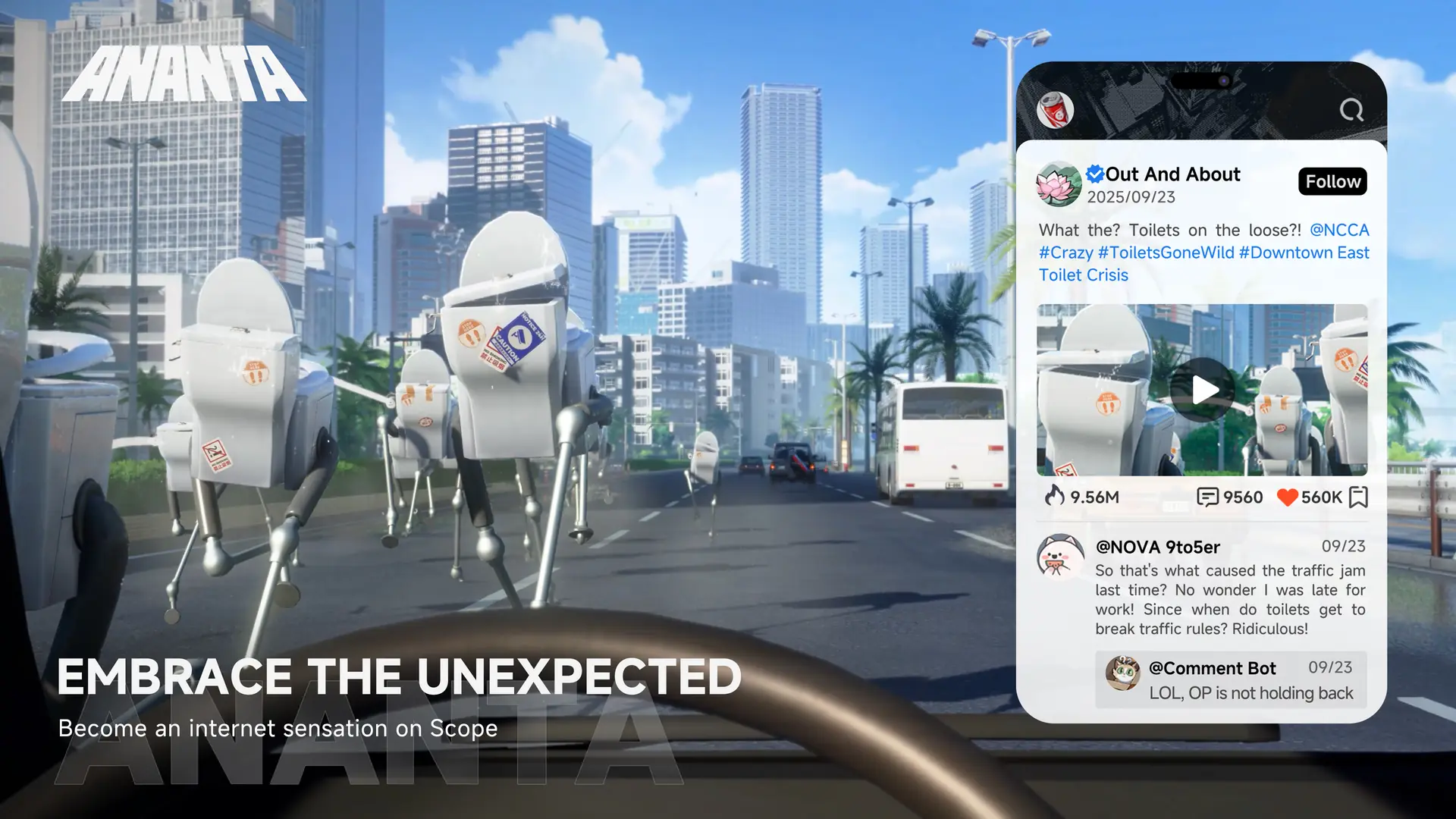
The city runs whether you are watching or not, which means most of what you see is not addressed to you. The skill this page builds is triage: telling routine behaviour, a spontaneous incident and a mission-linked hotspot apart before deciding whether to intervene — because intervening in the first kind costs time and teaches nothing.
Decision route
- Watch for three seconds before moving. Routine behaviour repeats and resolves on its own; an incident has a direction and someone losing.
- Ask whether the scene would exist without you. If it started before you arrived and would continue if you left, it is the city talking to itself — useful to read, expensive to join.
- Look for the second party. Mission-linked hotspots tend to have someone waiting for a decision; ambient incidents tend to have everyone already committed.
- Decide with the objective you arrived with, not the one the scene offers. A city built to always have something happening will always have something happening.
- If you do intervene, note what the block looked like afterwards. Incidents are most useful as a way of learning which districts change state and which reset.
Failure review
- Answering every incident because it is there, and arriving at the actual objective with nothing left to spend.
- Reading a scripted-looking scene as a mission because it was dramatic. Production value is not a quest marker.
- Assuming an incident that appeared twice in the same place is scheduled, on the strength of two sightings.
!
Unreleased: how NPC schedules are generated, whether incidents persist or reset, if intervention changes district state, and how much of the ambient layer is tied to missions at all. The triage above is a way of watching, not a catalogue of events.