
Improvised weapon routing
Read enemy weapons and nearby props, create a safe disarm window, convert damage and reset before overcommitting.
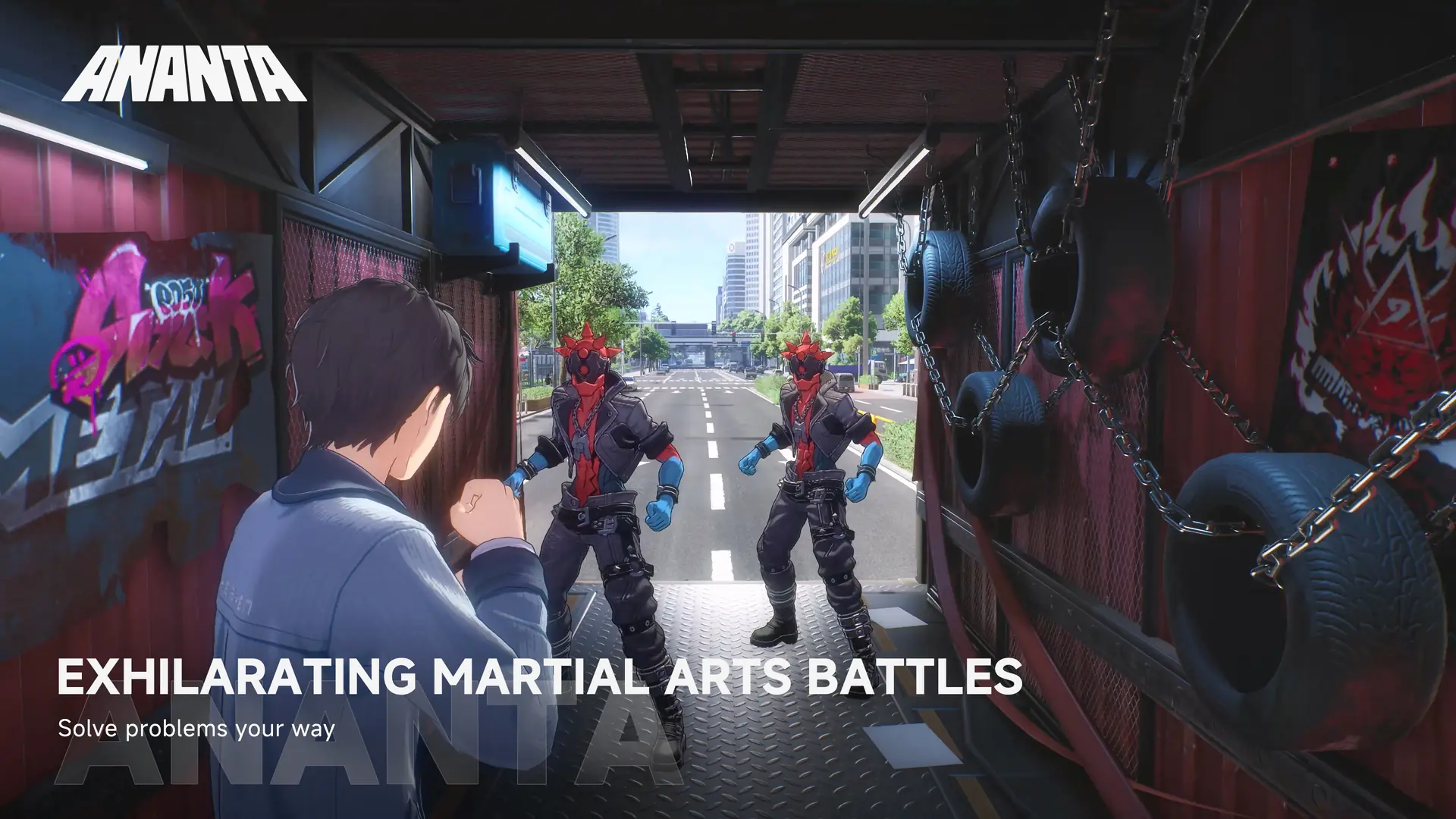
Operational objective
Improvisation is a routing problem, not a reflex. Every object within reach has three properties that matter — how long it takes to pick up, what it changes about your range, and what it costs you to still be holding it. This page turns a street full of props into a short list you can choose from under pressure.
Decision route
- Scan for reach before power. The object that changes your distance to the problem is worth more than the one that hits hardest from where you already stand.
- Pick up during someone else’s commitment. The safe acquisition window is the same one that opens for a disarm — while an attacker is finishing a swing they cannot cancel.
- Convert immediately. An improvised object is worth what it does in the next few seconds and nothing after that — plan the exchange it buys before you pick it up.
- Drop before you rotate. Moving to a new position while still holding a spent object is how a good route turns into a slow one.
- Remember the room, not the object. What repeats between fights is which kinds of spaces hand you options — a loading bay, a market row, a construction edge — not which crate you found once.
Failure review
- Reaching for an object that is closer to the enemy than to you, and arriving second.
- Using a heavy object as an opener when its only real value was closing a fight already won.
- Building a habit from one clip: what worked in a wide plaza is a different route in a stairwell.
!
Unreleased: which props are actually interactive, durability, pickup timing, whether objects respawn and how this changes by district. Treat the routing order above as a way to look at a space, not as an object list.